Health
Teen refugee paralyzed by stray bullet on North Side remains hospitalized with long recovery ahead
By Nick Martinez
Advertisement · Why this ad?
Nick Martinez is a public health reporter who earned his Master’s in Public Health from the University of Chicago. Having previously worked with ProPublica, he focuses on health equity issues affecting the Chicago community.
More from Nick →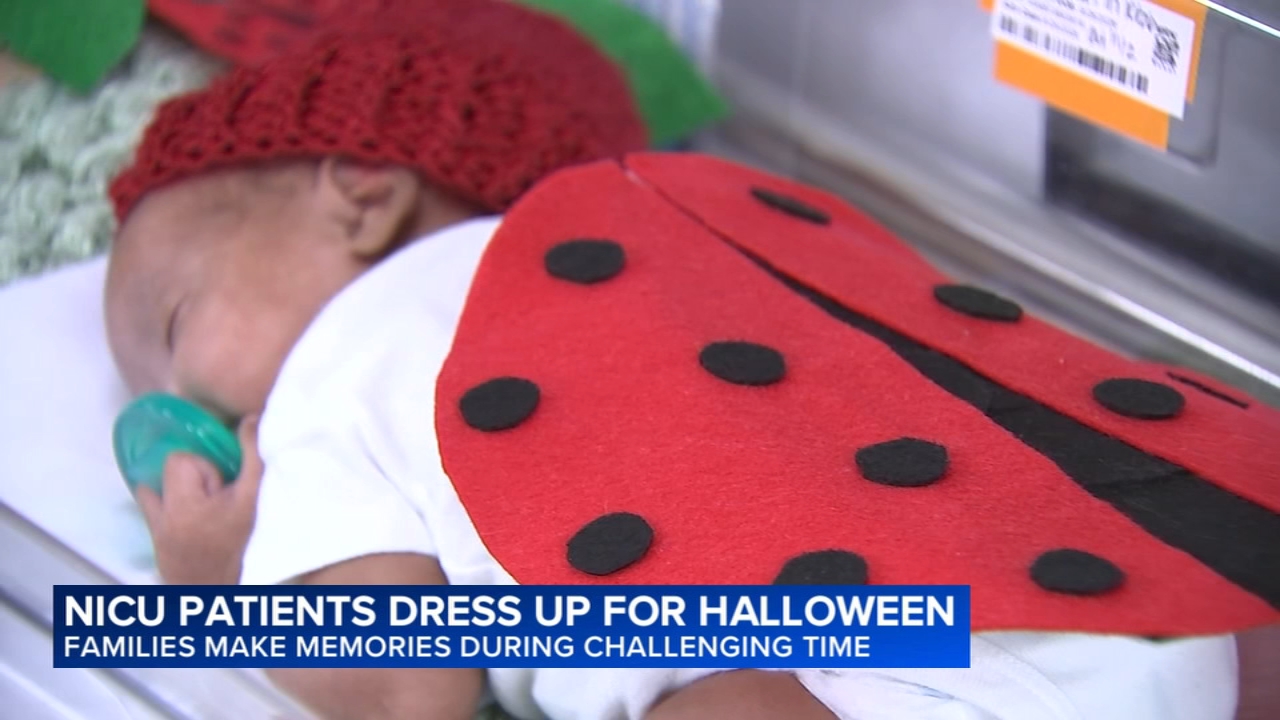
In a heartwarming display of creativity and profound care, nurses at Loyola University Medical Center transformed their Neonatal Intensive Care Unit (NICU) into a whimsical farmyard for Halloween. Tiny incubators, usually symbols of fragile beginnings, were adorned with both handmade and purchased costumes, bringing a much-needed spark of joy and normalcy to the most vulnerable patients and their families during a challenging time. This thoughtful initiative, a farm-themed celebration, underscores the deep commitment of healthcare professionals to nurture not just the physical health but also the emotional well-being of the infants and their loved ones.
The scene at Loyola's NICU was a testament to the compassion that often transcends the clinical environment. Dedicated nurses, known for their tireless work and unwavering support, took time out of their demanding schedules to craft and select adorable farm animal costumes for their tiny charges. From miniature lambs and piglets to tiny chicks and cows, each infant became a part of this special Halloween tableau, momentarily transforming the sterile unit into a vibrant, comforting space.
These efforts are far more than just a holiday decoration; they represent a vital human element in a highly specialized medical setting. For families whose newborns are facing critical health challenges, every day in the NICU can be fraught with anxiety and uncertainty. Moments like these, however small, offer a precious respite, a chance to see their child not just as a patient, but as a baby experiencing a cherished childhood tradition, regardless of their circumstances.
The meticulous attention to detail, from the gentle fabrics of the costumes to the careful placement of each tiny outfit, speaks volumes about the nurses' dedication. They understand that while medical care is paramount, fostering a sense of hope and normalcy is equally crucial for the emotional resilience of both the infants and their parents. This farm-themed celebration is a beautiful example of how healthcare can extend beyond medicine to embrace the human spirit.
The impact of such initiatives extends far beyond the walls of the Loyola NICU. For families navigating the complex journey of a premature or critically ill infant, the emotional toll can be immense. Parents often spend weeks or months by their baby's side, witnessing the daily struggles and triumphs. In these moments, the stability and support of a strong family unit become invaluable, and acts of kindness from the medical staff serve to reinforce that vital foundation.
This heartwarming story from Maywood, Illinois, where Loyola University Medical Center is located, resonates deeply within the broader Chicago metropolitan area. It highlights the community's commitment to supporting families, especially those facing the most challenging circumstances. Such gestures remind us that even in the face of adversity, compassion and creativity can flourish, providing comfort and a sense of belonging when it's needed most.
The nurses' initiative also subtly reinforces the importance of traditional family values. Holidays like Halloween are often centered around family gatherings and creating lasting memories. When these experiences are disrupted by medical necessity, the efforts of caregivers to bring these traditions into the hospital environment become even more significant. It allows parents to engage in a semblance of normal parenting, dressing their child, taking photos, and sharing a moment of joy that might otherwise be lost.
Hospitals, particularly specialized units like the NICU, continually seek innovative ways to humanize the clinical setting. These efforts are rooted in the understanding that a holistic approach to care, which includes emotional and psychological support, contributes significantly to patient outcomes. The Children's Hospital Association and other advocacy groups consistently highlight the importance of family-centered care, recognizing that parents are integral members of the healthcare team.
The dedication shown by the nursing staff at Loyola is a powerful example of this philosophy in practice. Their willingness to go above and beyond their clinical duties to create a memorable and uplifting experience for these families speaks to a deep sense of vocation and empathy. It's a reminder that true care involves not just treating illness, but also nurturing hope and celebrating life, no matter how tiny.
As these tiny patients continue their journey towards health and home, the memories created during this Halloween celebration will undoubtedly remain with their families. These moments of shared joy, facilitated by compassionate caregivers, help to alleviate some of the stress and trauma associated with extended hospital stays. They build a foundation of positive memories that can help families cope and thrive once their little ones are strong enough to leave the NICU.
The story of Loyola's NICU Halloween farm is a beacon of hope, illustrating the profound impact that kindness and community spirit can have. It serves as an inspiration for other healthcare institutions and a testament to the unwavering dedication of nurses and medical professionals who commit their lives to caring for others. It reminds us all that even in the most challenging environments, the spirit of generosity and the celebration of life can shine brightly.
For those in the community wishing to support families with infants in the NICU, organizations like the March of Dimes or local parent support groups offer avenues for contribution and assistance. These groups often provide resources, emotional support, and practical aid to families navigating the complexities of premature birth and critical infant care. The Illinois Department of Healthcare and Family Services also provides information on support programs for families.
The commitment of institutions like University of Illinois Chicago, with its own robust medical programs, to fostering compassionate healthcare professionals ensures that such initiatives will continue to be a cornerstone of patient care. This Halloween, the farm animals in Loyola's NICU were more than just costumes; they were symbols of resilience, love, and the enduring power of a community united in care.
This initiative beautifully encapsulates the American dream of stable, loving households, even when faced with unexpected medical challenges. It highlights how communities, through dedicated individuals and institutions, come together to uphold the sanctity of family and provide a nurturing environment for the next generation. The spirit of this Halloween celebration will undoubtedly continue to inspire hope and gratitude long after the costumes are put away.
By Nick Martinez

By Nick Martinez

By Tommy Nguyen

By Clara Robinson